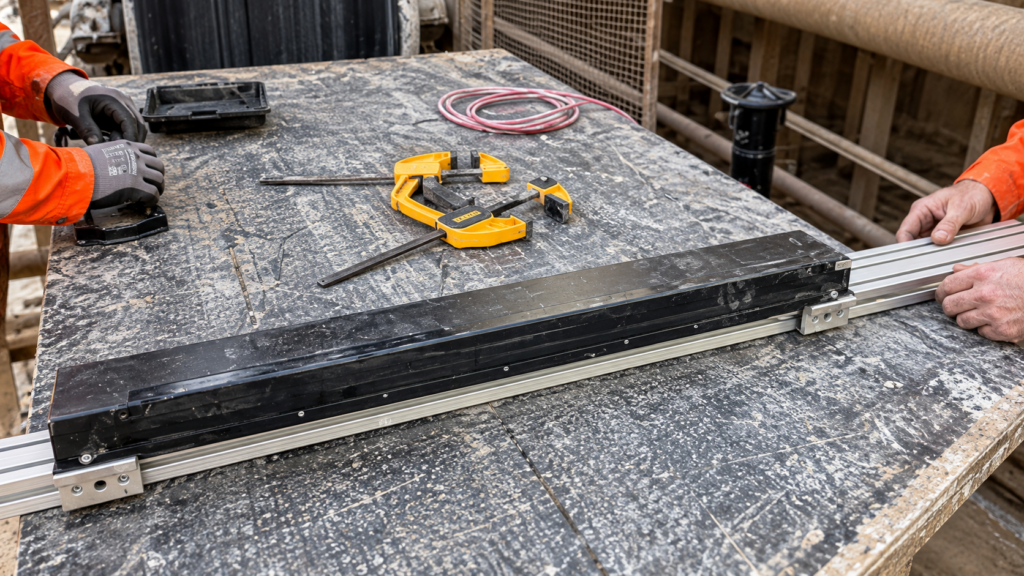
In a steel-cord conveyor belt, the longitudinal cords form the tensile member and carry the operating tension. Damage to individual cords—or irregular cord placement through a splice—can remain concealed beneath the covers. A surface inspection can document visible cuts, wear and repairs, but it cannot confirm the condition or continuity of the internal cords.
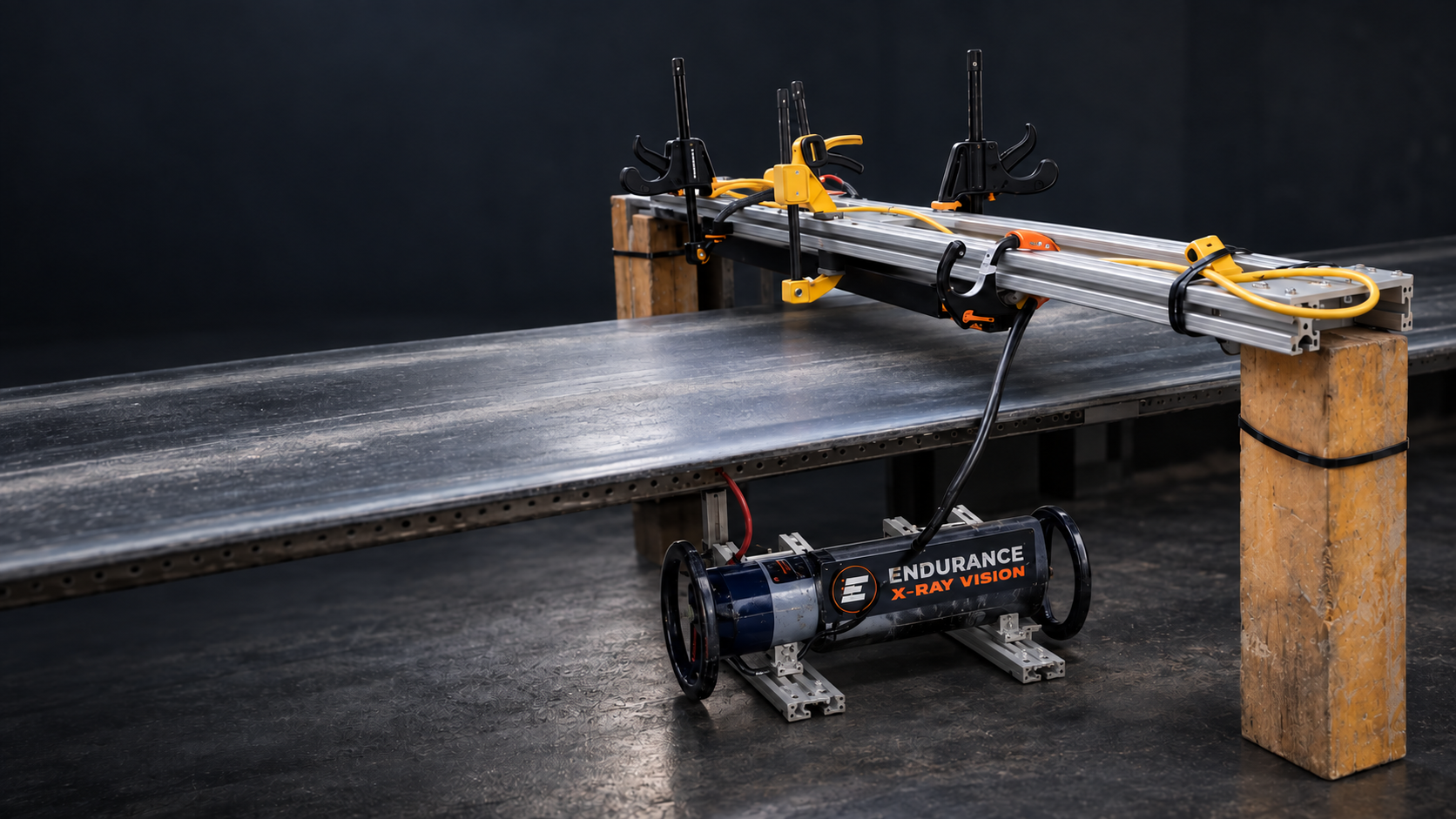
Endurance X-Ray Vision uses a portable, manually positioned radiographic system that is temporarily installed around the existing conveyor. As the belt passes through the inspection zone, dynamic images can be captured over a selected area or the entire belt length while the belt operates at speeds up to 12 m/s, subject to the conveyor arrangement and site conditions. This provides on-demand internal inspection without permanently installed monitoring equipment.
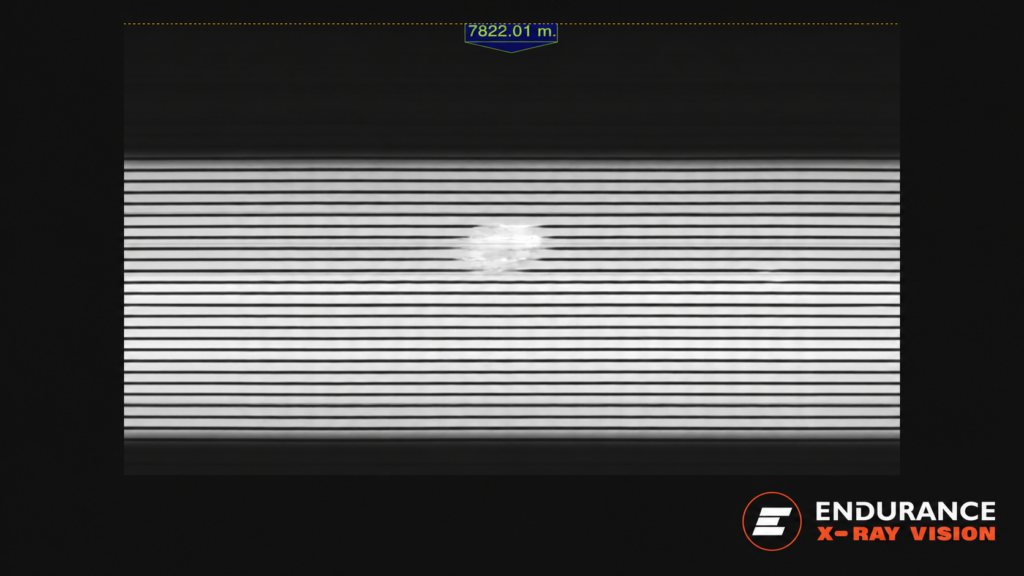
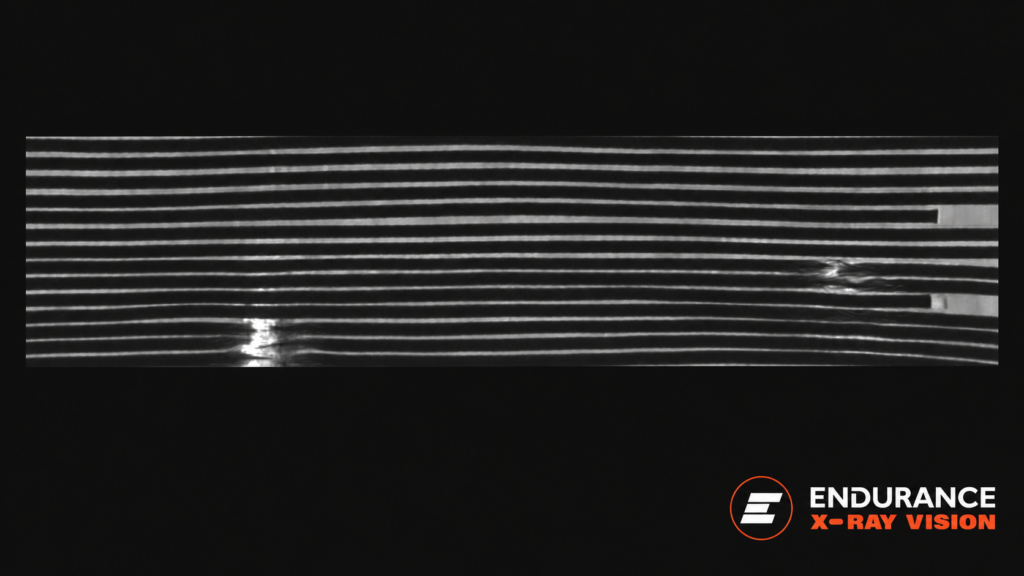
The radiographs provide a direct image of the steel-cord arrangement rather than only a signal indicating that an irregularity may be present. Technicians can review cord breaks or displacement at the belt center and edges, evaluate cord continuity and examine alignment and lay-up through steel-cord splices. X-ray images can also help define where a physical inspection or repair should be concentrated.
Endurance evaluates the findings in relation to the belt specification, operating history and reason for the inspection. The resulting condition assessment supports decisions to continue monitoring, conduct a physical investigation, complete a repair or replace an affected section. When inspections are repeated, previous images provide a reference for determining whether identified damage is stable or progressing.
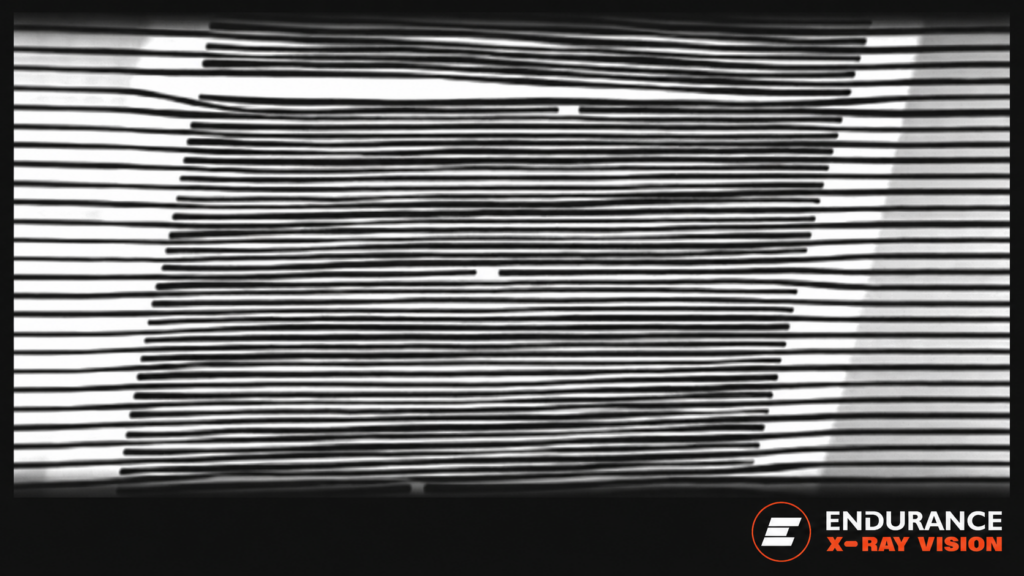
X-Ray Vision can be incorporated into a periodic preventive inspection program, deployed following a belt-damaging event or used to verify steel-cord splice condition. The objective is to identify internal deterioration early, allowing the operation to respond before hidden damage becomes an unplanned stoppage.