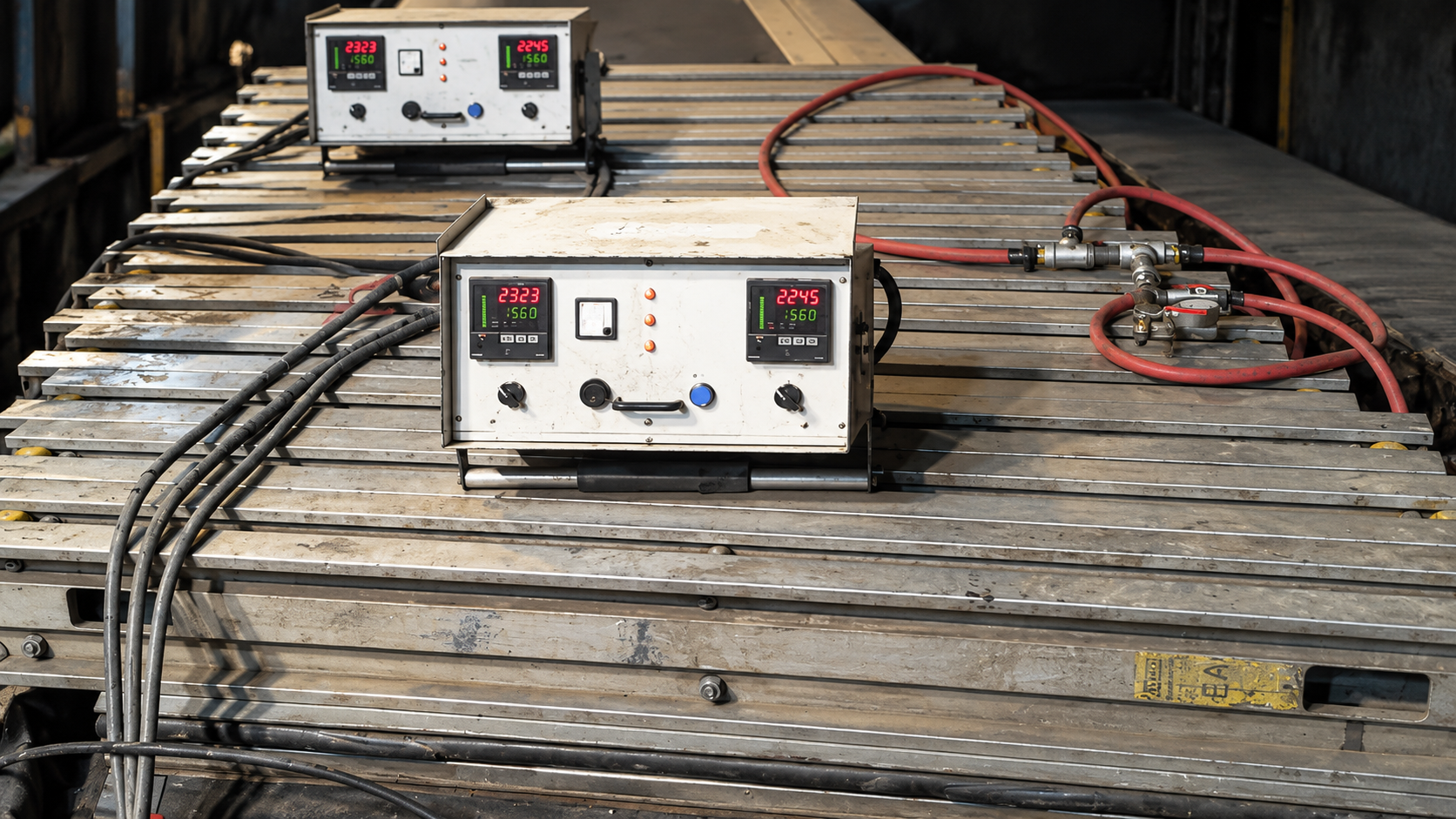
A vulcanized splice reconstructs the belt through the joint rather than simply bonding two belt ends together. The internal materials must transfer tension between textile plies or through the rubber surrounding steelcord, flex repeatedly over pulleys and remain securely bonded to the parent belt. Cover stock restores the top and bottom cover areas with properties suited to the conveyed material and operating environment.
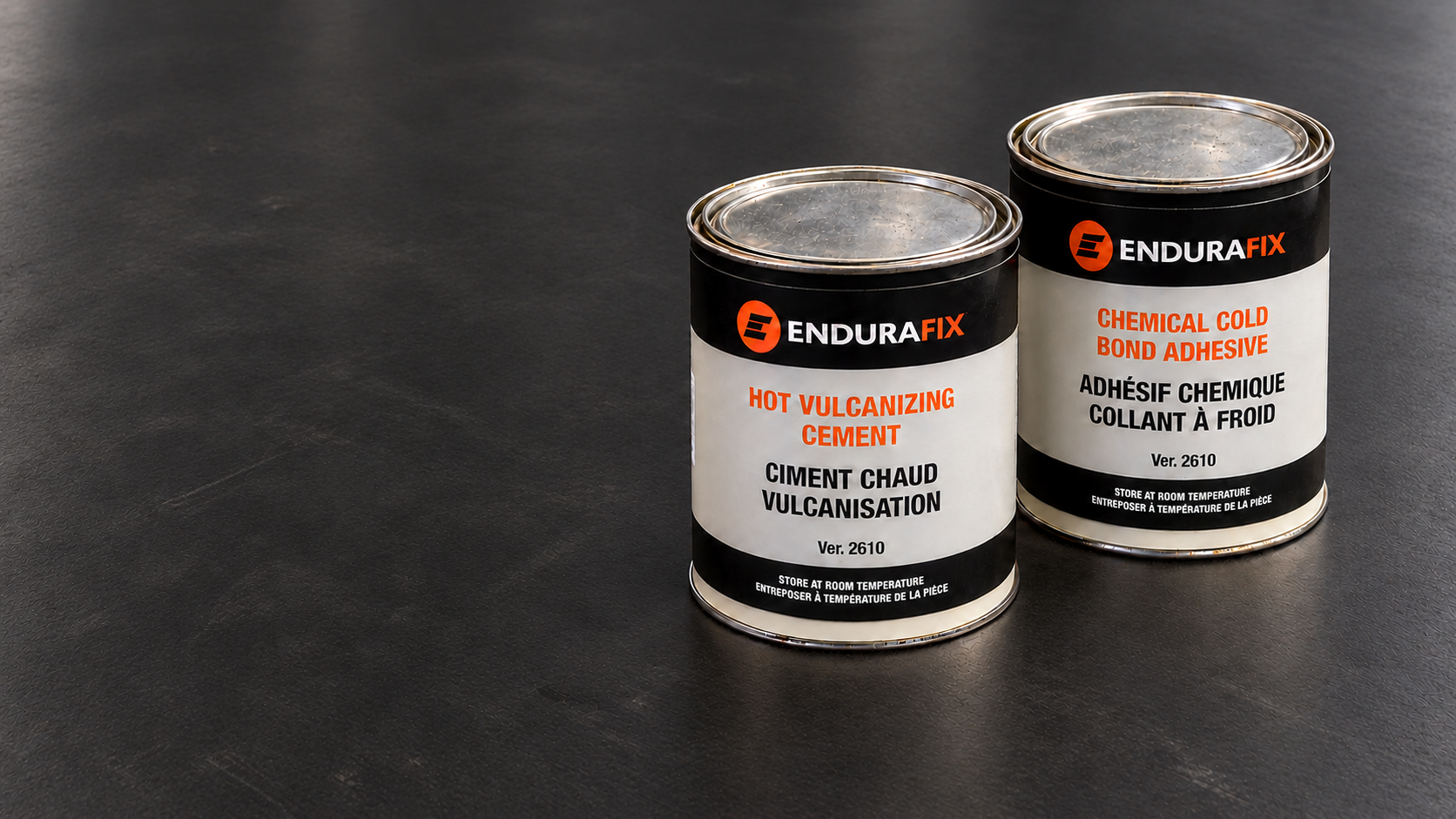
Each component in the splicing process has a specific role. Skim rubber or tie gum restores the internal splice structure, while cable gum forms the rubber matrix around steel cords where required by the splice design. Cover rubber restores the belt’s external wear surfaces, while cement or adhesive forms part of the specified bonding system. Adhesion, flow, and cure characteristics must work together as a complete system rather than as separate consumables. Before field use, the age, condition and storage history of splice rubber, cement and adhesive should be reviewed. Excessive heat or outdated material can affect downtime, cure behaviour and adhesion.