KEY ADVANTAGES
- Start-up readiness depends on both equipment condition and a clear handover between maintenance and operations.
- Visible belt damage, material buildup and component concerns need appropriate assessment before the conveyor returns to service.
- Completed maintenance does not automatically mean the equipment is authorized to restart; isolation release and communication remain essential.
- Recording a concern is only the first step. Its status and any required action must be clear to the people responsible for restart.
A conveyor may be ready for its next production run, returning from planned maintenance or restarting after an interruption. Each situation presents a different starting point. Effective preparation considers why the conveyor stopped, what work has taken place and whether any concerns remain unresolved.
The purpose of a pre-start review is to establish a shared understanding of equipment condition and readiness. Operations needs to know what maintenance has completed, while maintenance needs a clear route for reporting outstanding issues. A brief exchange that leaves these questions unanswered can create uncertainty at the moment the conveyor is expected to run.
The scope of the review should follow site procedures and the equipment manufacturer’s instructions. It should reflect the work performed and the condition of the system, rather than an assumed amount of time available before production resumes.
Visible belt damage and accumulated material are useful starting points for identifying concerns. Relevant observations may include:
- Cuts, worn edges or other visible changes to the belt surface.
- Visible damage or irregularities around an accessible splice area.
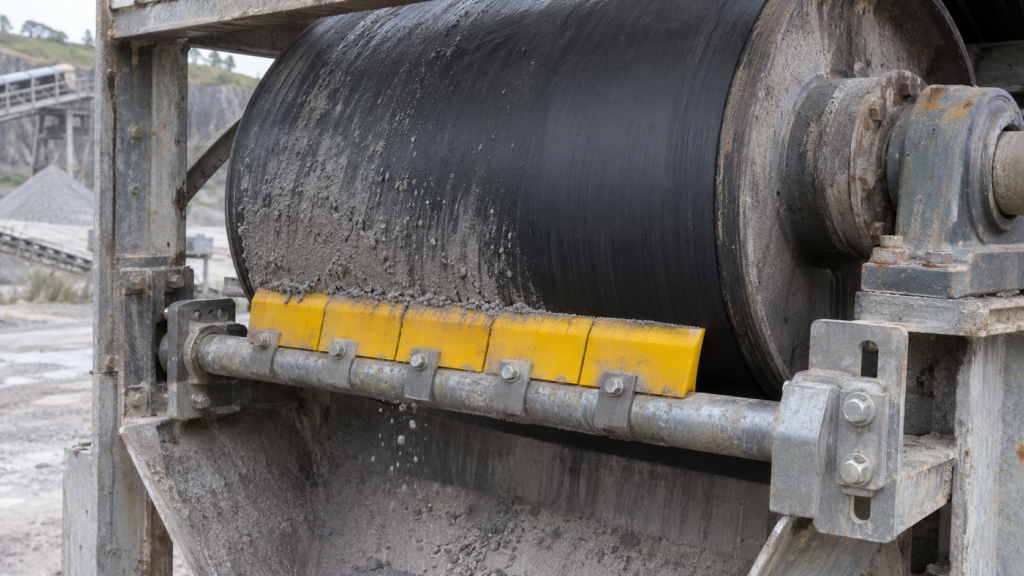
- Material buildup on pulleys, idlers or around belt cleaners.
- Signs that the belt has contacted surrounding structure.
These observations need context. An edge-wear pattern may indicate a recurring tracking problem, while buildup on rolling components can influence how the belt travels. A belt that appears centered while stationary does not, by itself, establish that it will track correctly during operation.
The aim is to identify what needs attention and communicate it accurately. Note the location and nature of the concern so the responsible team can assess it. Hands-on inspection, cleaning and adjustment require the applicable isolation and maintenance procedures; a pre-start check is not permission to reach into equipment or clear material from moving components.
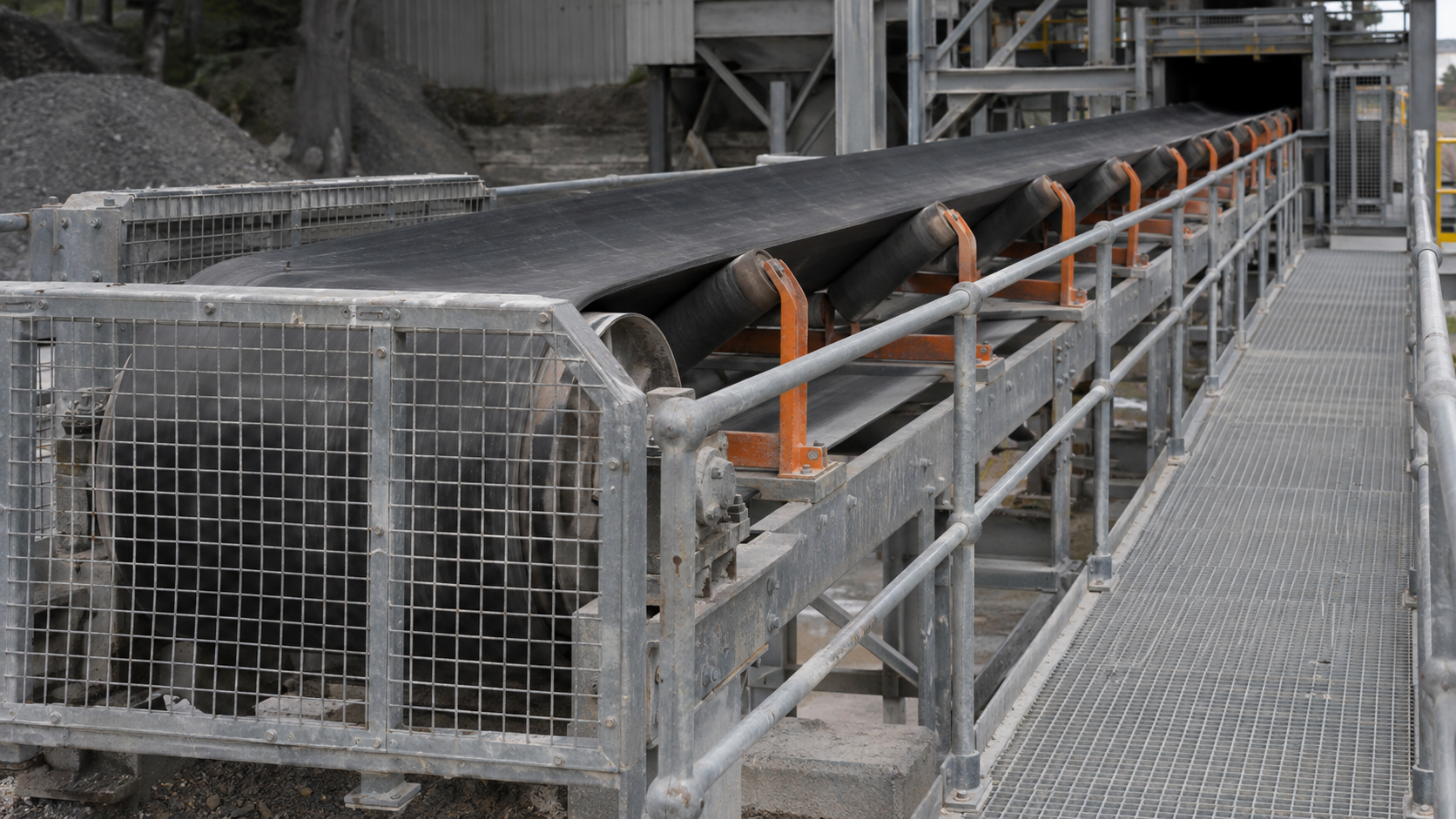
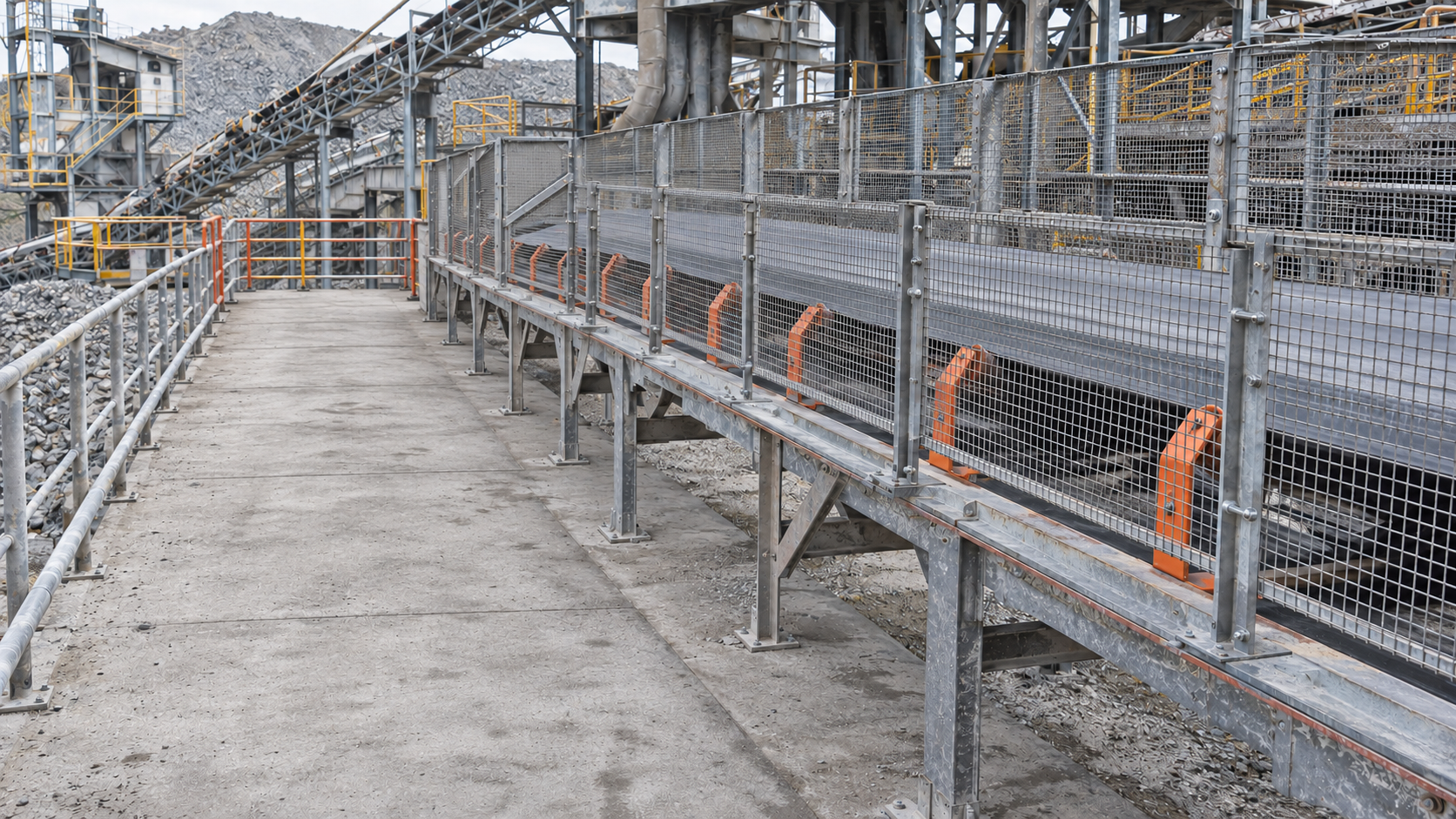
Equipment condition includes the safeguards around it. Guards and required safety devices must be in place and operational before the conveyor returns to service. A guard removed for maintenance, an obstructed access route or tools left in the work area can indicate that the handover is incomplete.
Housekeeping also supports a clearer inspection. Spillage can obstruct walkways and make it harder to identify changes or concerns around the conveyor. Clearing the area through the appropriate work procedures helps teams distinguish existing conditions from new concerns.
Any missing protection or unresolved work-area hazard should bereported to the responsible personnel before restart. Guards and safety controls must not be bypassed to keep production moving.
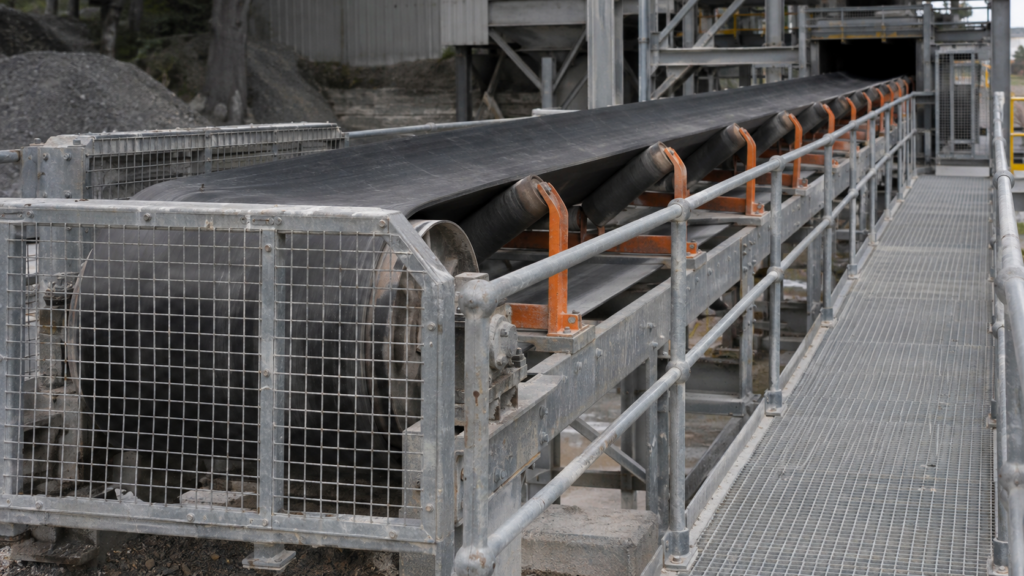
Maintenance completion and authorization to restart are separate confirmations. A useful handover establishes what work was performed, what remains outstanding and whether the equipment has been released for operation under the site’s procedures.
Where lockout/tagout has been applied, its release must follow the site’s energy-control requirements and assigned responsibilities. Locks and tags are removed through the authorized process—not simply because another crew believes the job is finished. Personnel must be safely positioned or clear, and affected teams must receive the required notification before operation resumes.
This becomes particularly important when several crews or contractors have worked on the same system. A clear handover makes outstanding restrictions visible to everyone involved. Startup intentions should be communicated through the site’s established warning and coordination arrangements, with responsibility for the restart understood.
A pre-start review has value when its findings lead to action. A reported defect, recurring accumulation or uncertain maintenance status should be assessed by the appropriate personnel and resolved or formally managed under site requirements before operation resumes. Identifying an issue does not establish that it is acceptable to run.
Recurring concerns also deserve follow-up beyond the immediate restart. Recording where an issue appears, whether it has occurred before and what work preceded it can help maintenance teams investigate the underlying cause rather than repeatedly address the same symptom.
For belt installation and start-up needs, Endurance Belting provides technical support. Discussing the belt specification, application and installation context helps establish the support required. Site personnel retain responsibility for operating authorization and the procedures governing the conveyor’s return to service.