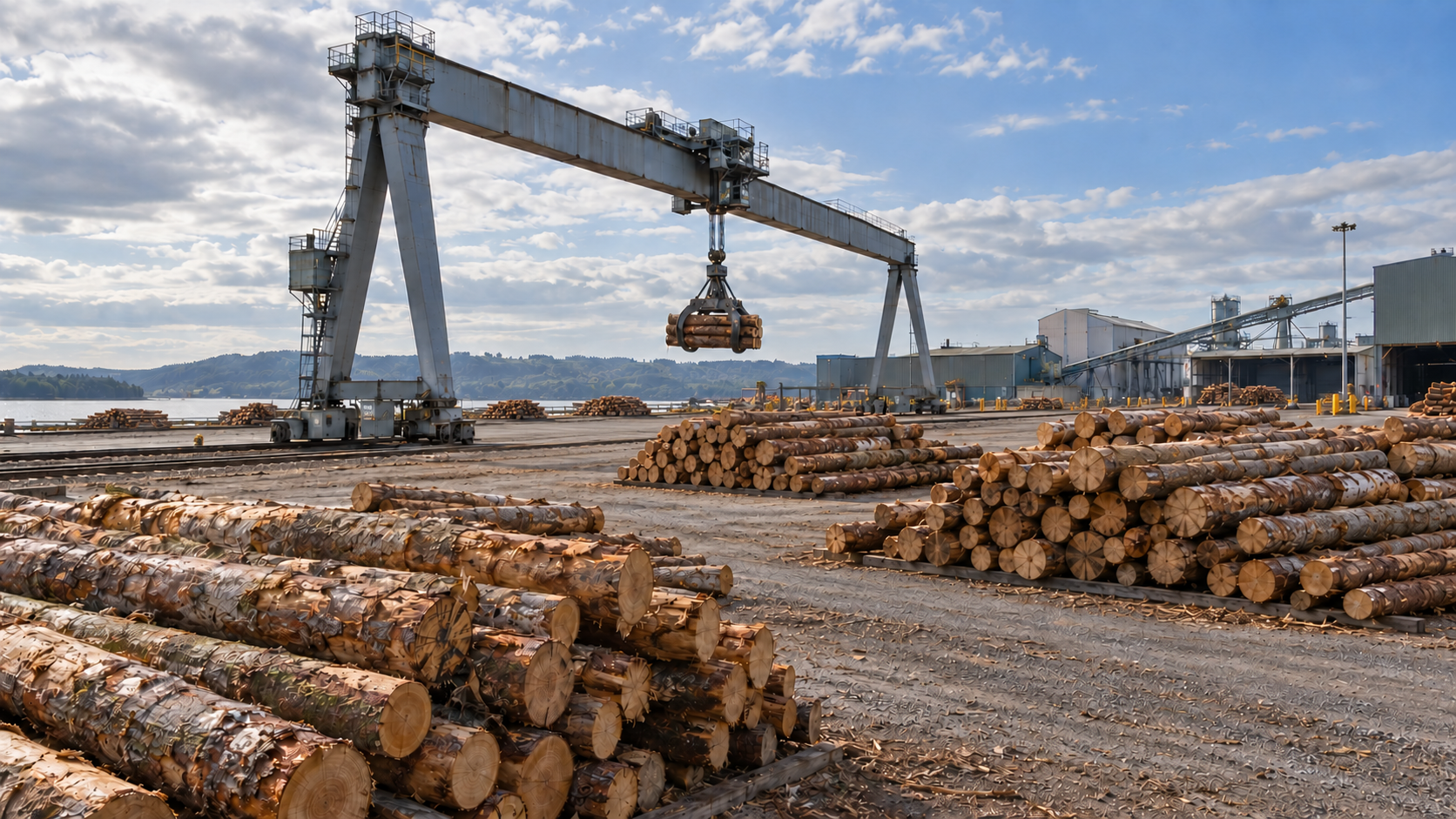
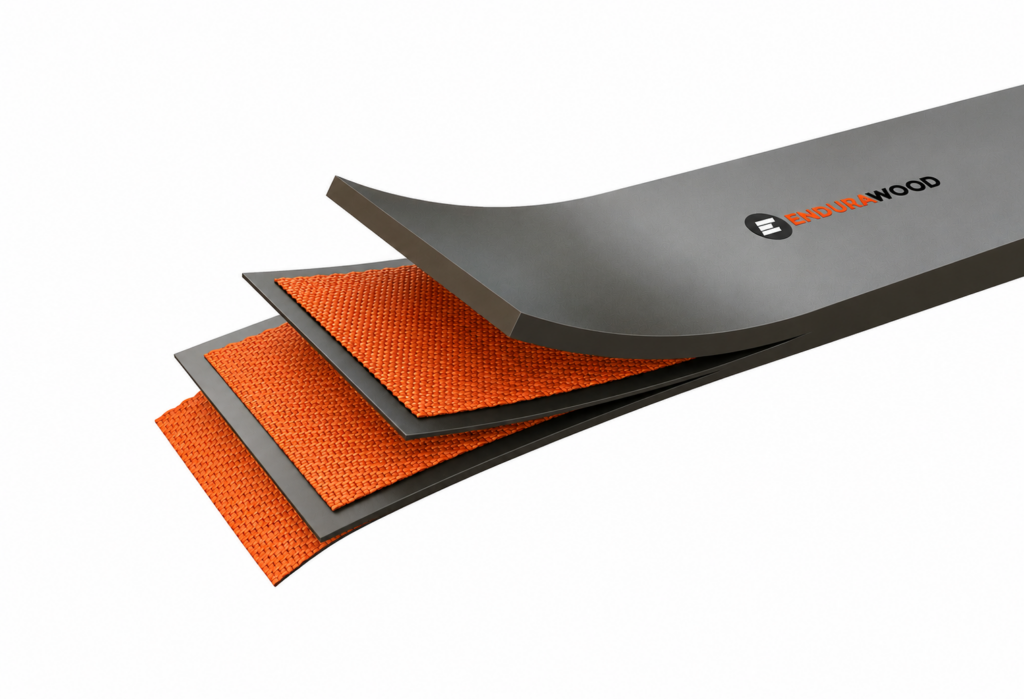

The wood handling industry has unique and demanding operational conditions, including chemical exposure from terpenes, extreme cold down to -60°F, cutting and gouging, extreme impacting and the need for low friction belts to slide across steel conveyor beds. The Endurawood line of belting was specifically designed to meet these challenges and provide longer term reliable service.
Available wood-service configurations
The right belt selection accounts for the wood product, loading conditions, operating temperature, and conveyor configuration. These factors determine the level of cut, impact, chemical, and back-side friction resistance required.
- GMF terpene-resistant, low-temperature cover
- D6 cut-and-gouge-resistant cover for heavy-log applications
- Soft, non-marking, high-friction MSD surface
- NR low-friction back cover for steel or wood slider beds
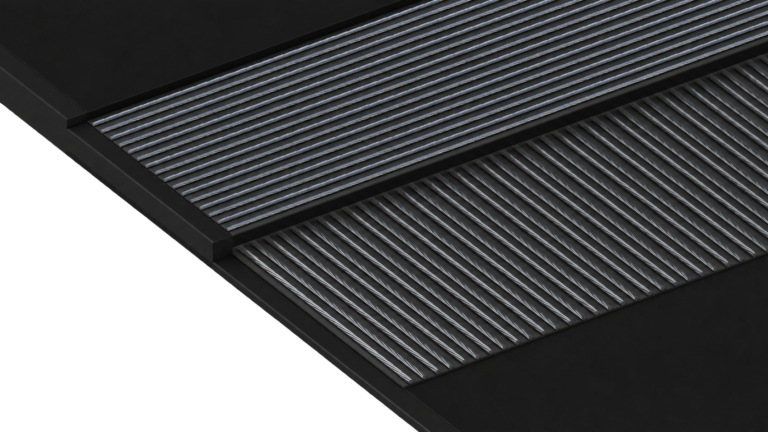
- XH Plus transverse steelcord reinforcement for severe-impact, heavy-log service
Woodchips and bark
Endurawood XL provides a flexible starting point for lighter wood products. Material moisture, fines, loading conditions, trough geometry and terpene exposure determine the final cover and carcass.
Lumber transfers
Endurawood MSD uses a soft, non-marking surface where greater friction is needed to slow or control lumber during transfer. The coefficient of friction must still be evaluated against the conveyor and product.
Small logs and slabs
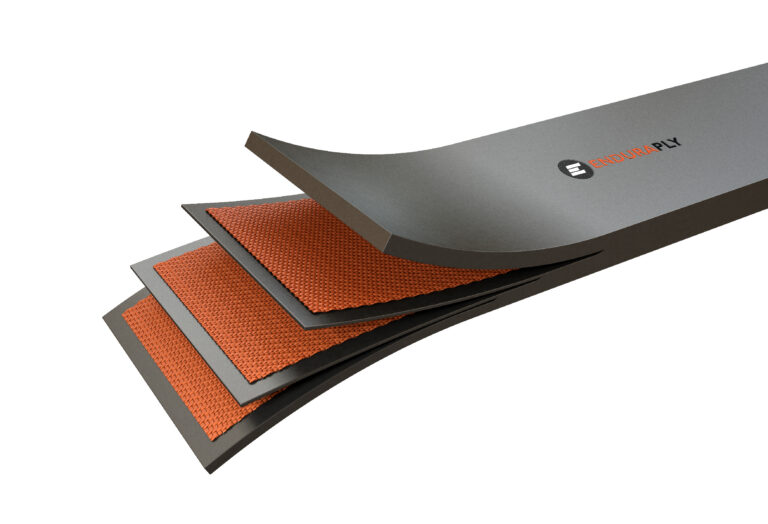
Endurawood M and XM provide two 375 PIW constructions. M uses a flat-weave carcass, while XM uses CFW reinforcement where greater transverse support is required.
Heavy logs
Endurawood XH and XXH are starting points for larger logs and severe cut-and-gouge exposure. Impact energy, log shape, drop height, conveyor support and loading direction must be reviewed before selecting this belt.
Severe impact loading
Endurawood XH Plus adds transverse steelcord reinforcement for applications facing greater impact, puncture or rip exposure. Loading-point support and foreign-object control remain important.
Slider-bed conveyors
An NR low-friction back cover can be evaluated where the belt slides over steel or wood. Bed alignment, surface condition, moisture, terpenes and process liquids influence the final design.