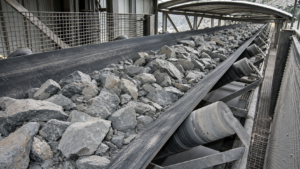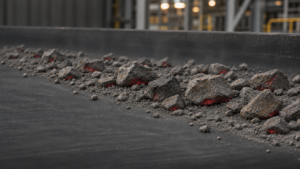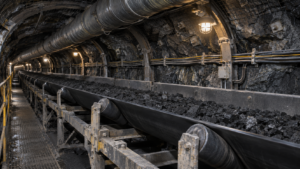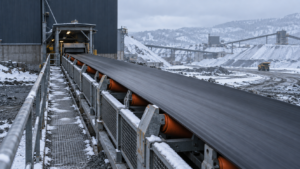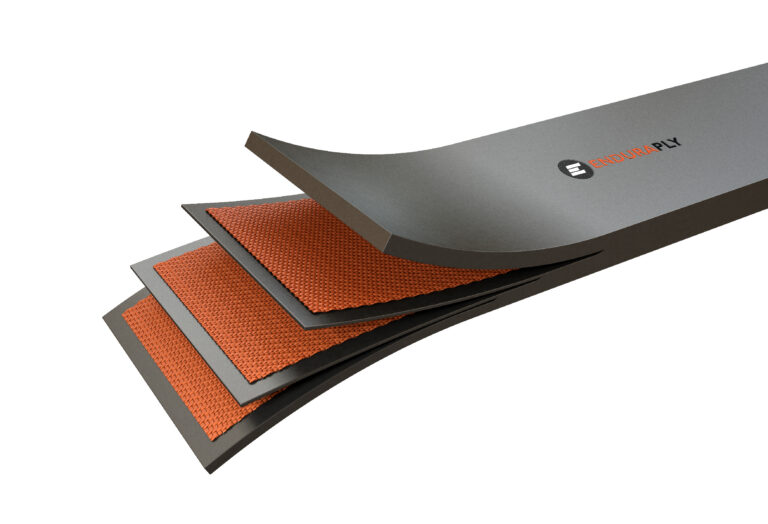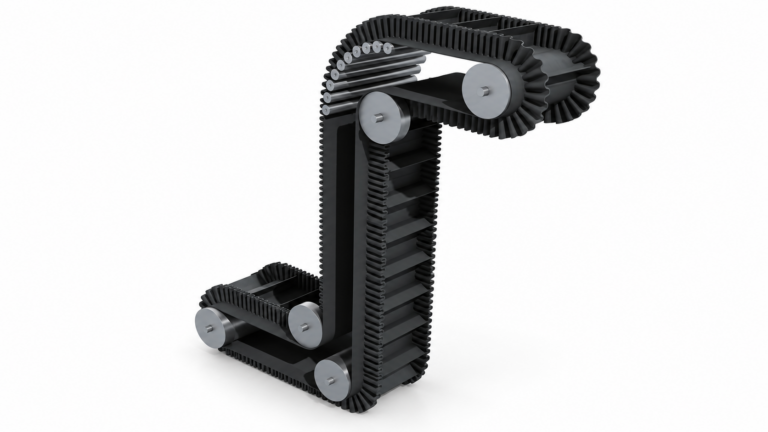
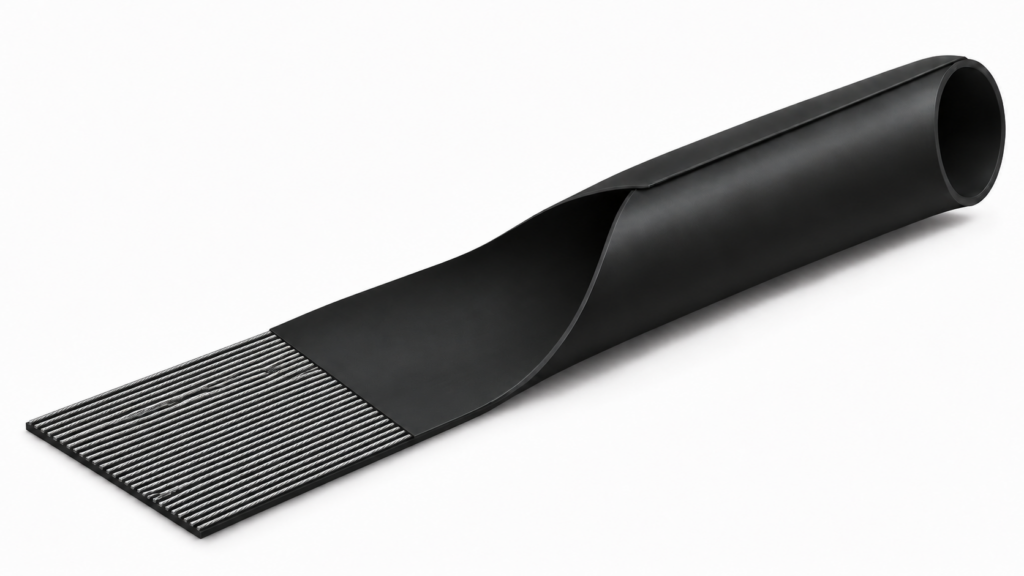

Pipe belting is designed to isolate conveyed material from outside elements while helping prevent material from escaping into the environment. Pipe belts can also shorten conveying routes by accommodating tighter curves and steeper incline angles.
A configurable enclosed conveyor belt that balances pipe formation, overlap closure, carcass elasticity and application-specific cover protection.
- Protects conveyed material from elements
- Keeps environment clean and eliminates carry back dropping
- Able to handle vertical and horizontal curves very efficiently
- Can reduce costs by allowing conveyor to take a more direct path
Additional control for pipe tracking and overlap stability
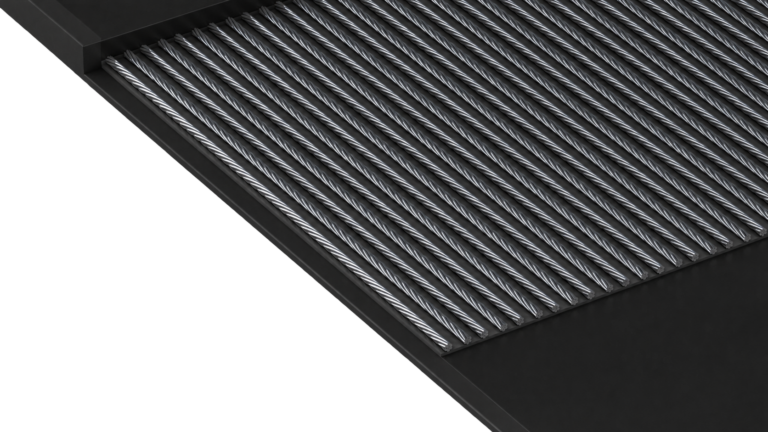
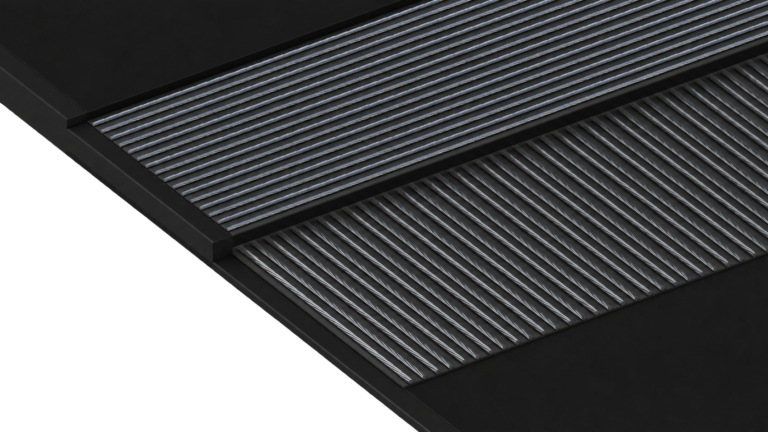
Endurapipe AS is an application-reviewed configuration for pipe conveyors experiencing twisting, overlap sag or difficulty maintaining the required belt position through the idler path. Its transverse reinforcement is arranged to influence internal tracking and help the belt conform to the supporting roller geometry.
AS construction details and compatibility depend on pipe diameter, carcass, belt width, route and conveyor structure.
Pipe conveyor belt applications
Endurapipe is a starting point where enclosed transport, conveyor routing or environmental separation makes a conventional open-troughed belt less suitable. The complete route and belt flexibility must be reviewed before final selection.
Curved mainline and overland conveyors
Endurapipe can support routes that use horizontal and vertical curves to navigate terrain, structures or restricted plant space. Pipe diameter, curve radii, operating tension, carcass elasticity, idler geometry and transition sections must be evaluated together.
Cement and gypsum conveying
The enclosed profile helps separate cement-industry materials from wind and weather while reducing opportunities for material discharge along the route. Inner-cover abrasion and temperature exposure, material moisture and exterior ozone conditions determine the final cover combination.
Ash and petroleum-coke handling
For power-generation duties, Endurapipe can help contain fine or dusty material between the loading and discharge sections. Material temperature, fire and static requirements, chemical exposure, cover selection and system sealing must be confirmed.
Hard-rock pit and slope conveyors
Endurapipe can be evaluated for pit, slope and mine-route applications where enclosure and curved routing are priorities. Bulk density, lump geometry, loading impact, operating tension, incline, carcass strength and pipe-forming stability remain critical selection variables.
Fertilizer and wood-chip transport
The closed configuration can protect weather-sensitive material and reduce escape along exposed conveying routes. Moisture, oil or chemical exposure, material shape, temperature and required exterior weather resistance must be included in the application review.