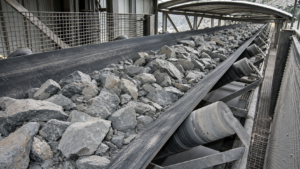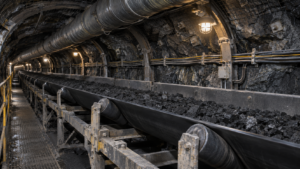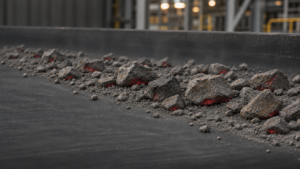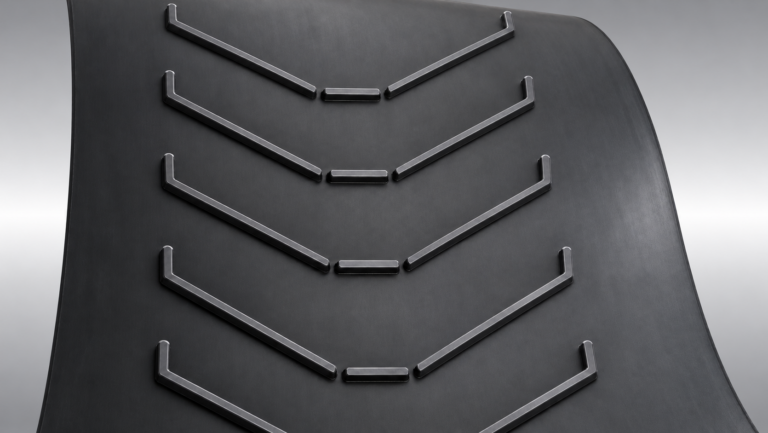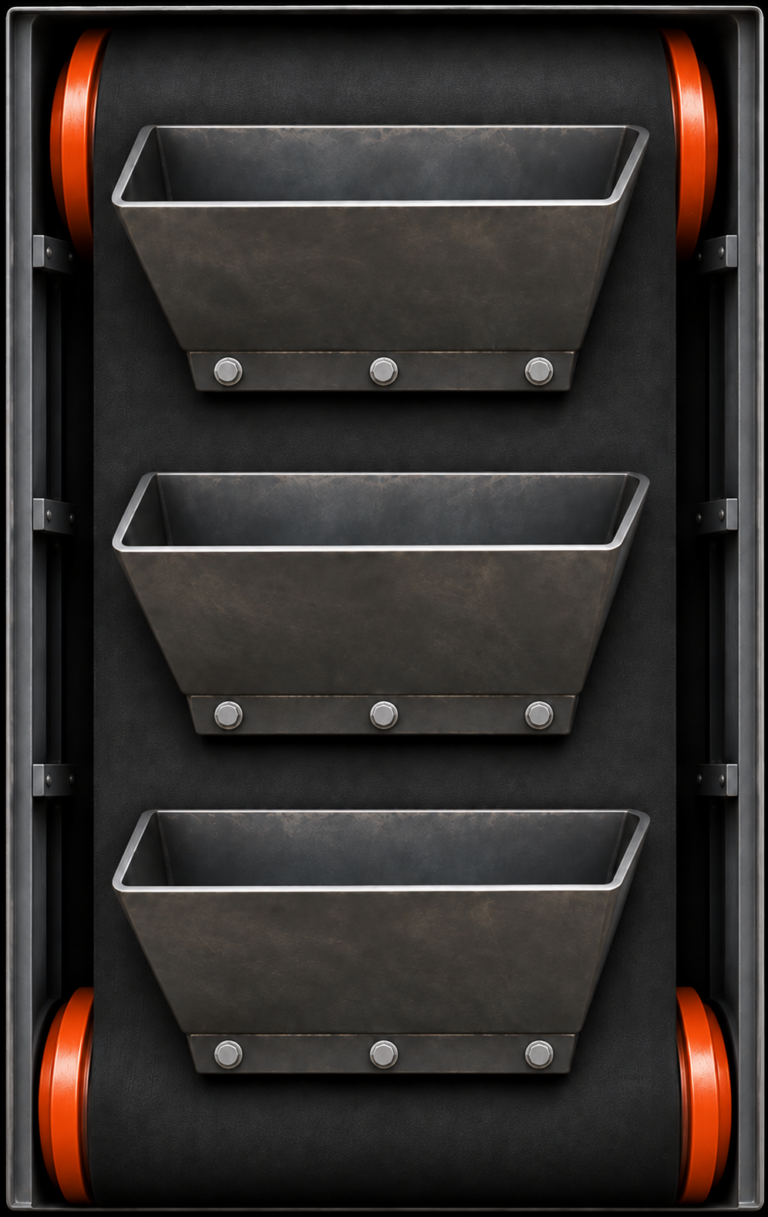
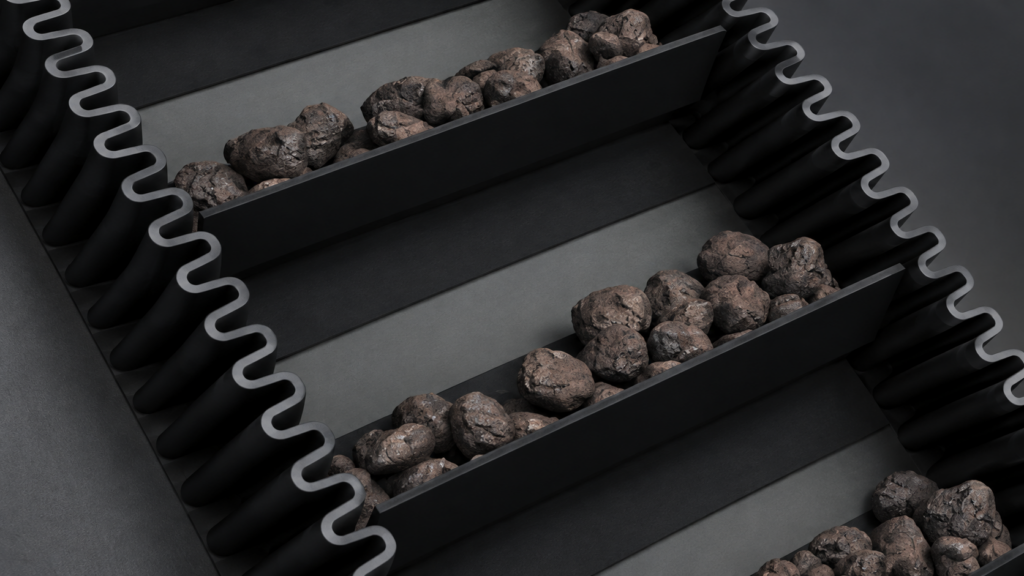

Corrugated sidewall conveyor belting has long been established as the industry standard for high-angle bulk material conveying. Endurawall corrugated sidewall belting is specifically designed to meet the needs of this highly technical industry segment. Our quality manufacturing hot bonding process allows us to hot-vulcanize the cleats and sidewalls directly to the base belt, helping extend belt life.
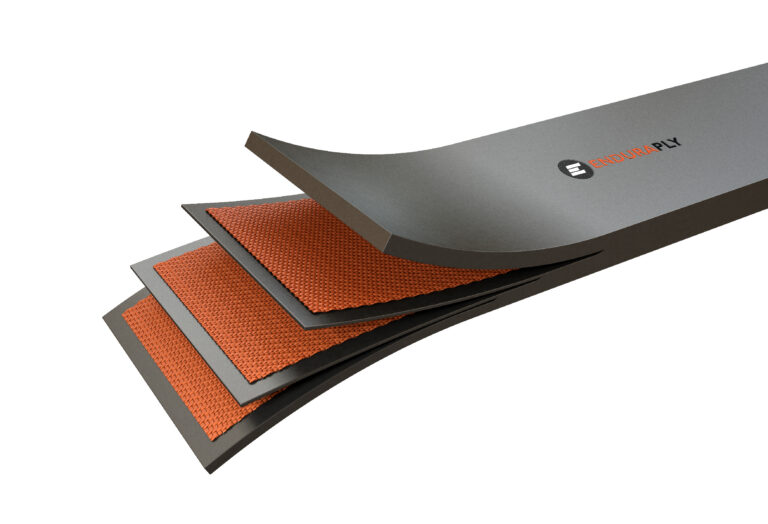
Endurawall offers multiple base-belt constructions to meet different tension and transverse-rigidity requirements.
Endurawall high-angle sidewall belting
A component-based belt construction designed to contain bulk material as the conveyor travels through horizontal, inclined and vertical sections.
- Convey at angles up to 90° and minimize space requirements
- Lower spillage
- Hot bonding dramatically increases the adhesion of the sidewalls and cleats to the base belt, resisting separation & delamination over time and at extreme hot or cold temperatures
Vertical lifting
Endurawall can be configured for conveying up to 90°. Vertical applications require detailed review of the base-belt tension members, transverse rigidity, cleat loading, sidewall height, pulley diameters, belt speed and take-up arrangement.
Multi-profile and compact conveyor routes
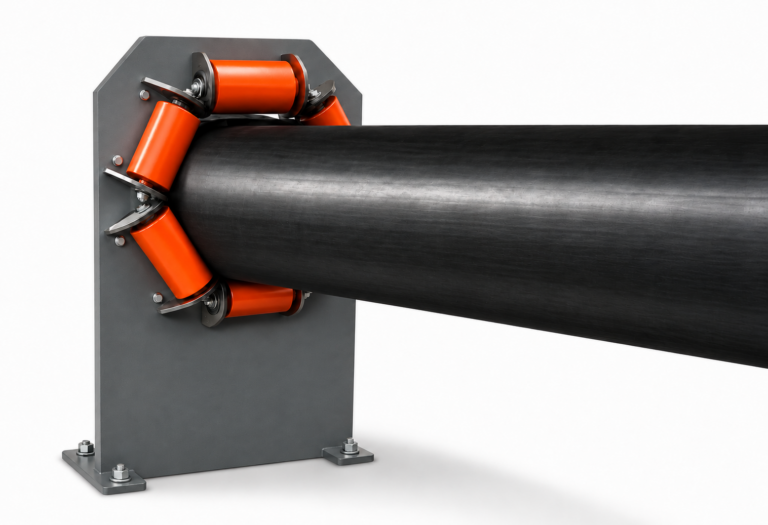
A single belt can move through horizontal and inclined sections where the conveyor arrangement is designed for the required transitions. Multi-profile routes normally require compatible cross-stiffening, hold-down or deflection wheels and supported belt edges.
Cement, coal and power-generation duties
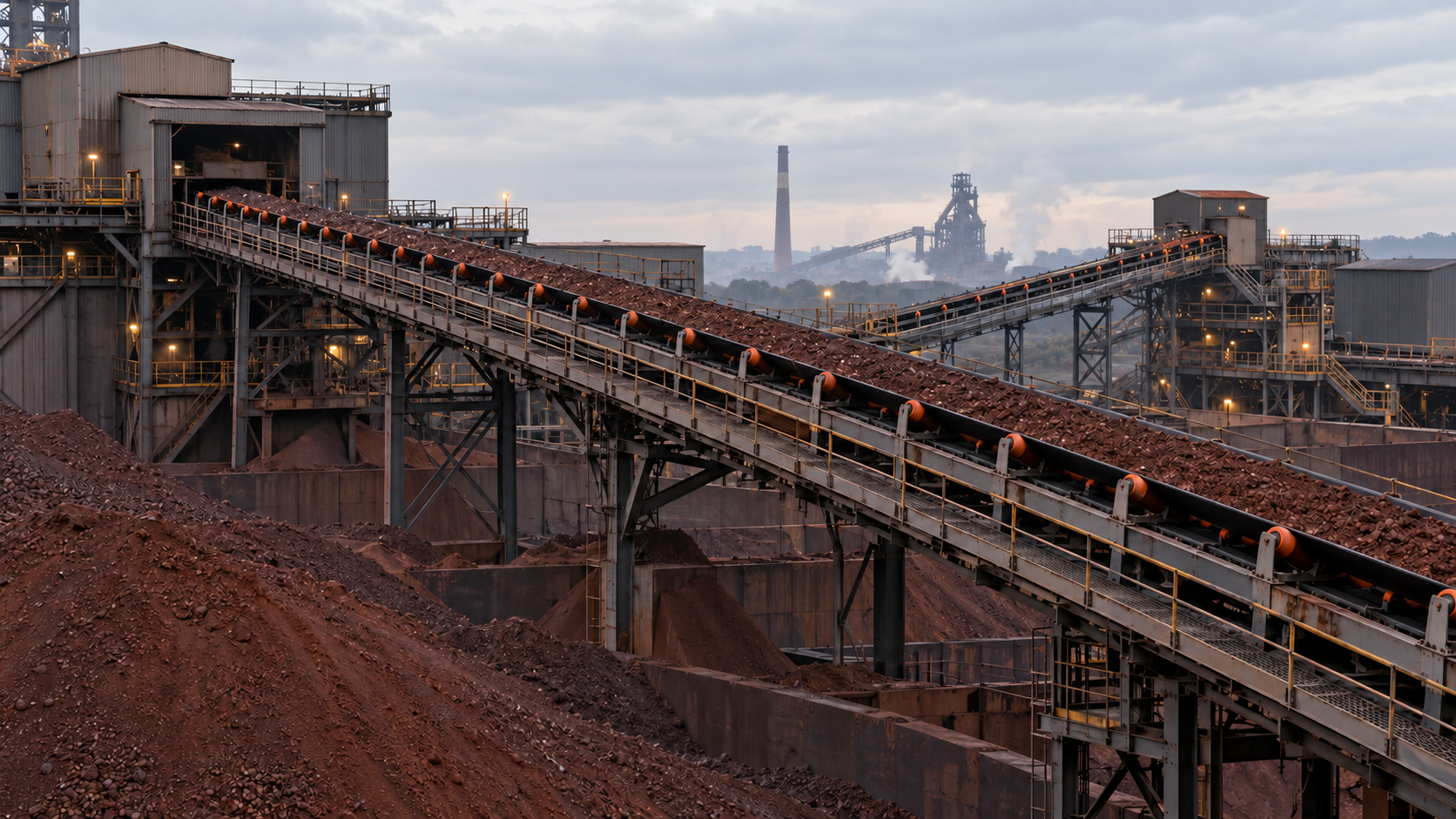
Endurawall can support high-angle handling where plant space, dust, carryback or material rollback must be controlled. Material temperature, fire requirements, fines content and environmental exposure determine the compound and component configuration.
Steel production and heavy-lump handling
Sidewall and cleat construction can be selected for dense or aggressive materials used in steel-production processes. Lump size, shape, impact energy, temperature and cleat bending loads must be reviewed before specification.
Existing sidewall-belt replacement
A replacement should be based on verified belt and conveyor data,not the product name alone. Existing drawings, belt width, sidewall position, cleat profile and spacing, pulley dimensions, splice details, photographs and operating history should be supplied for review.