
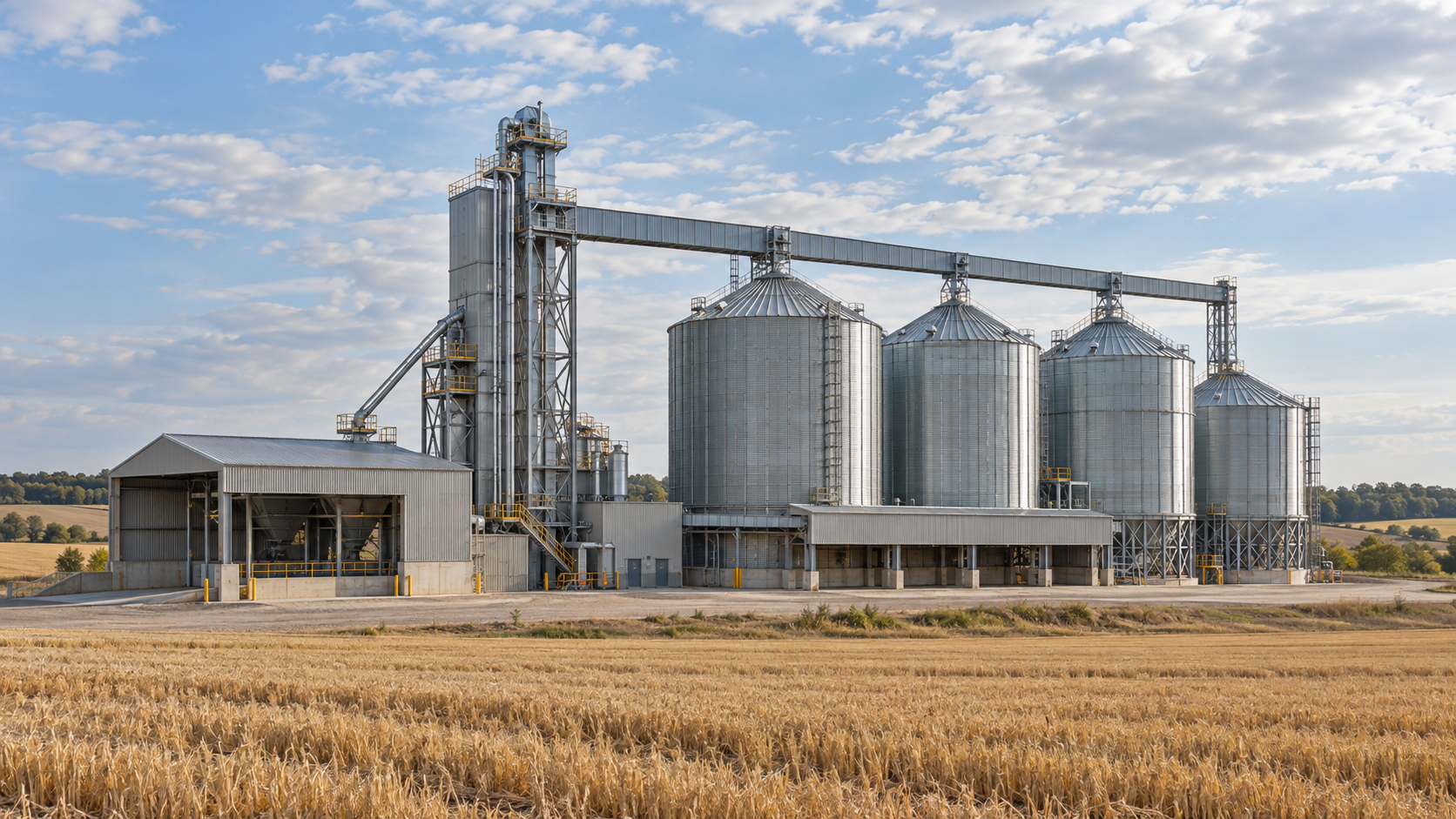
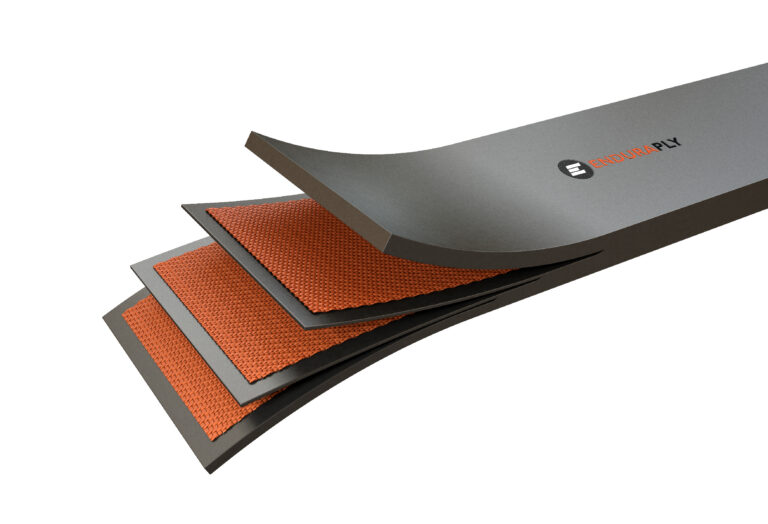
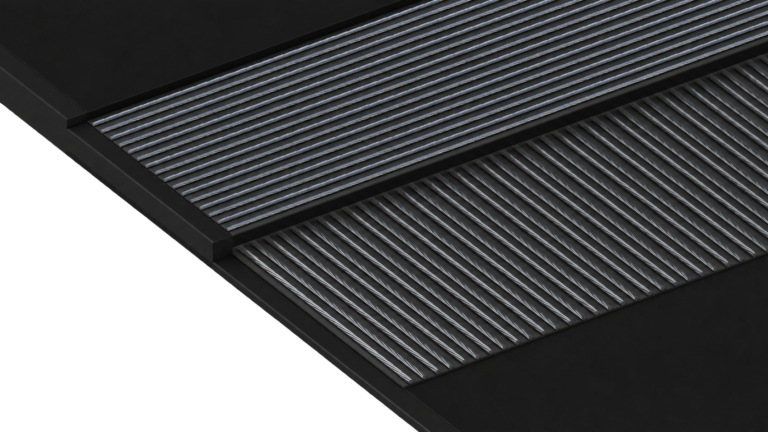
Grain, oilseed, and other bulk materials place distinct demands on conveyor belting. Static buildup, oil exposure, abrasion, moisture, and operating temperature can all influence belt performance. Endurance matches belt construction and cover compounds to the material, conveyor duty, and operating environment.
Grain handling’s defining risk: static sparks in silos and elevators
Grain dust in enclosed silos, elevators, and milling operations can create static and ignition hazards. Enduragrain belting is designed to provide the static conductivity and flame resistance required for demanding grain-handling applications. The appropriate belt grade can be selected to meet the specific material, operating conditions, and site safety requirements.
Matching cover performance to grain and oilseed
Different crops place different demands on conveyor belt covers. Oil exposure, temperature, and operating conditions all influence the level of resistance required. Enduragrain offers cover grades designed for applications ranging from oilseed handling to mixed grains and low-temperature operation, allowing the belt to be matched to the material and conveying environment.
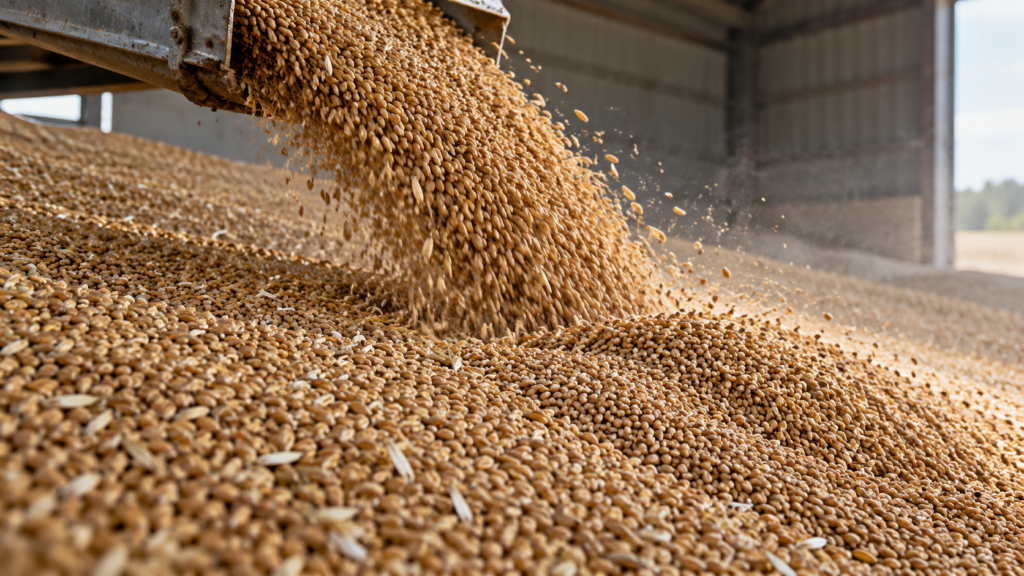
Vertical and inclined grain movement
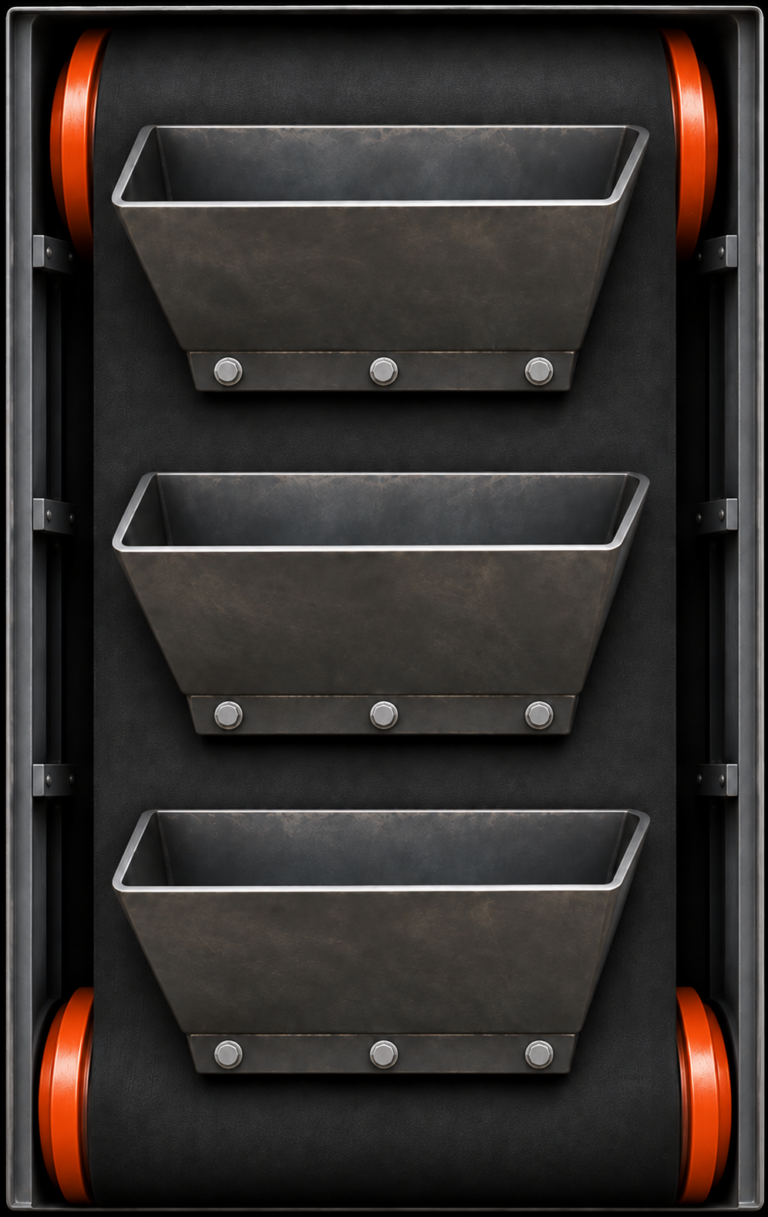
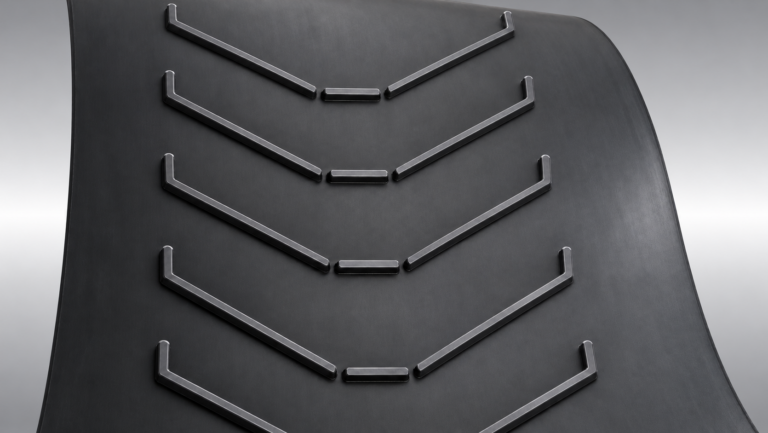
Grain handling frequently moves material vertically through bucket elevators or up inclined conveyors into storage. Enduralift provides belting for bucket-elevator applications, while Endurarib chevron-cleated belting is designed for inclined conveying where additional material control is required. The appropriate solution depends on the conveyor geometry, material, and operating conditions.
Sand and gravel: a familiar abrasion and moisture duty
Sand and gravel applications expose conveyor belts to abrasion, impact, moisture, and changing environmental conditions. Endurance matches belt construction and cover performance to the material size, abrasiveness, conveyor duty, and operating environment for reliable, long-lasting service.