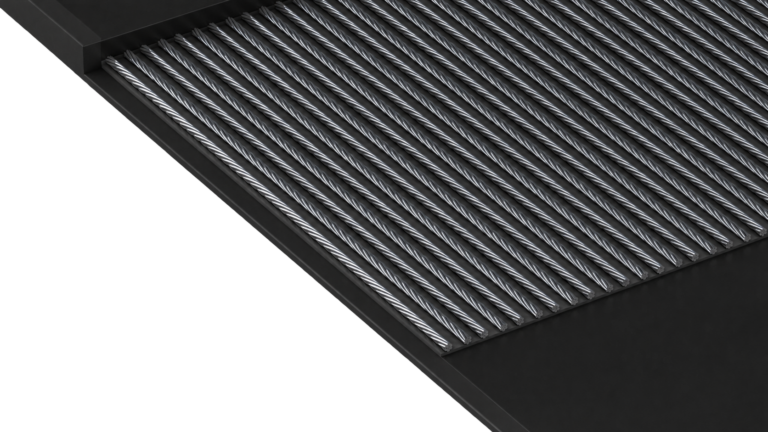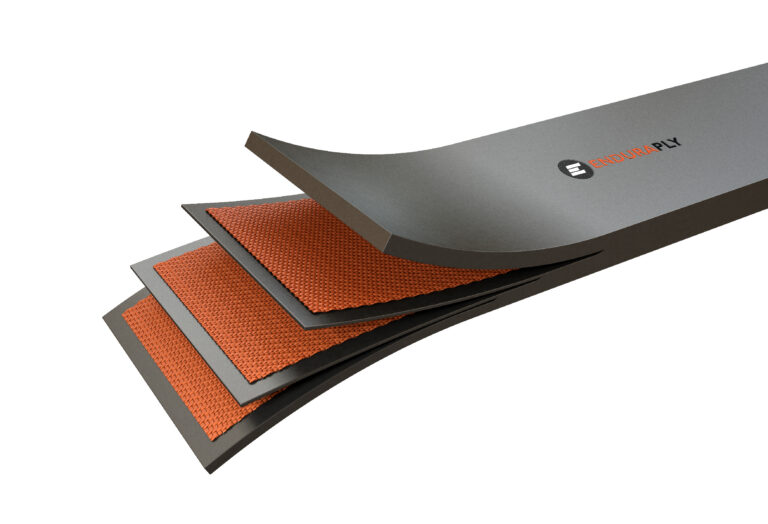
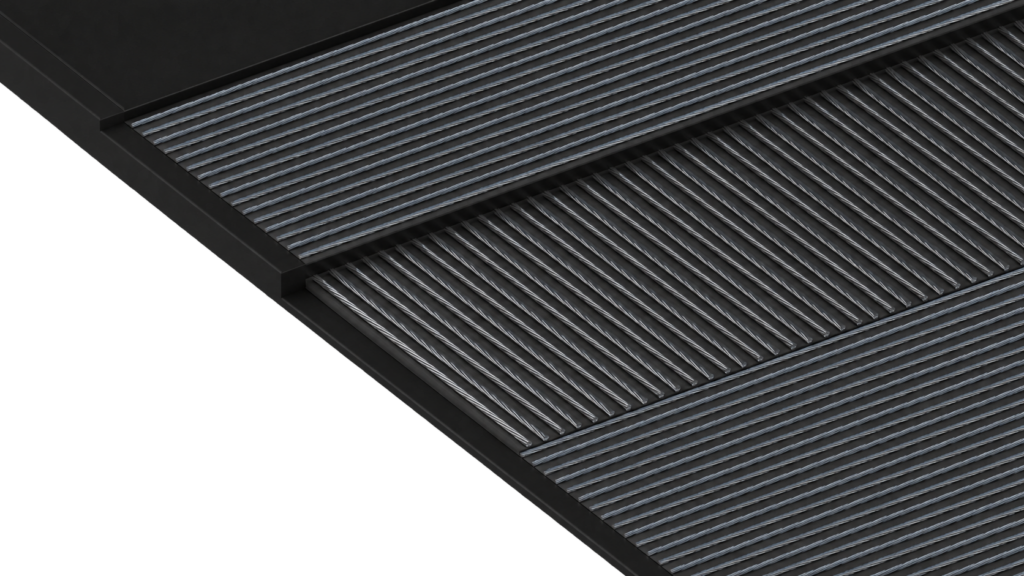


Enduracord combines closely spaced longitudinal steel cords with two high-elasticity transverse steelcord breakers; one in the top cover and one in the bottom cover. This higher-protection steelcarcass construction is designed for conveyors facing more severe impact, puncture and rip exposure.
M-series Enduracord provides greater controlled elasticity for smaller pulleys, shorter transitions and tighter conveyor geometry. E-series Enduracord provides lower elongation for longer-centre and higher-tension duties. Belt rating, width, covers, pulley geometry, loading conditions, splice design and monitoring requirements are confirmed against the application.
A two-breaker steelcarcass construction for high-tension conveyors facing more demanding impact, puncture and rip exposure.
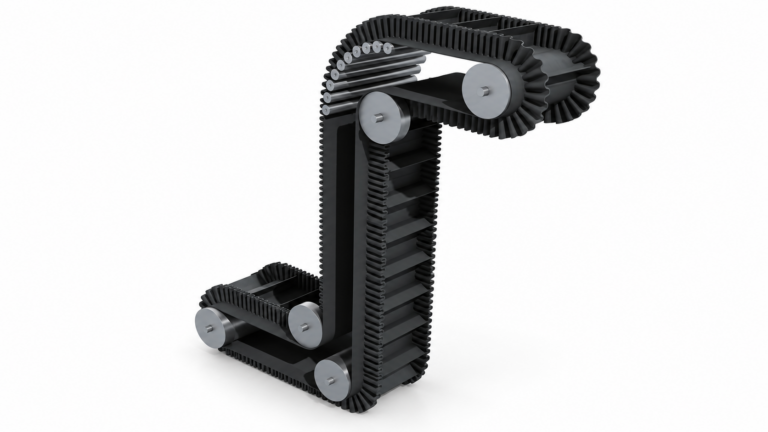
- Permit the use of smaller diameter pulleys
- Provide increased belt troughability
- Accepts tighter radius curves – both convex vertical and horizontal (M-Series)
- Reduced transition distances (M-Series)
- Acceptability for use with a crowned pulley (M-Series only)
- Suitability for replacement of textile belting without major modification (M-Series)
- Tighter cord pitch means greater punctures, rip and impact resistance
- Smaller cords permit ideal rubber to steel adhesions through better penetration
- Allow hot finger splicing of the belt using standard 8 Bar (116 PSI) textile vulcanizer
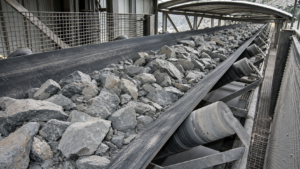
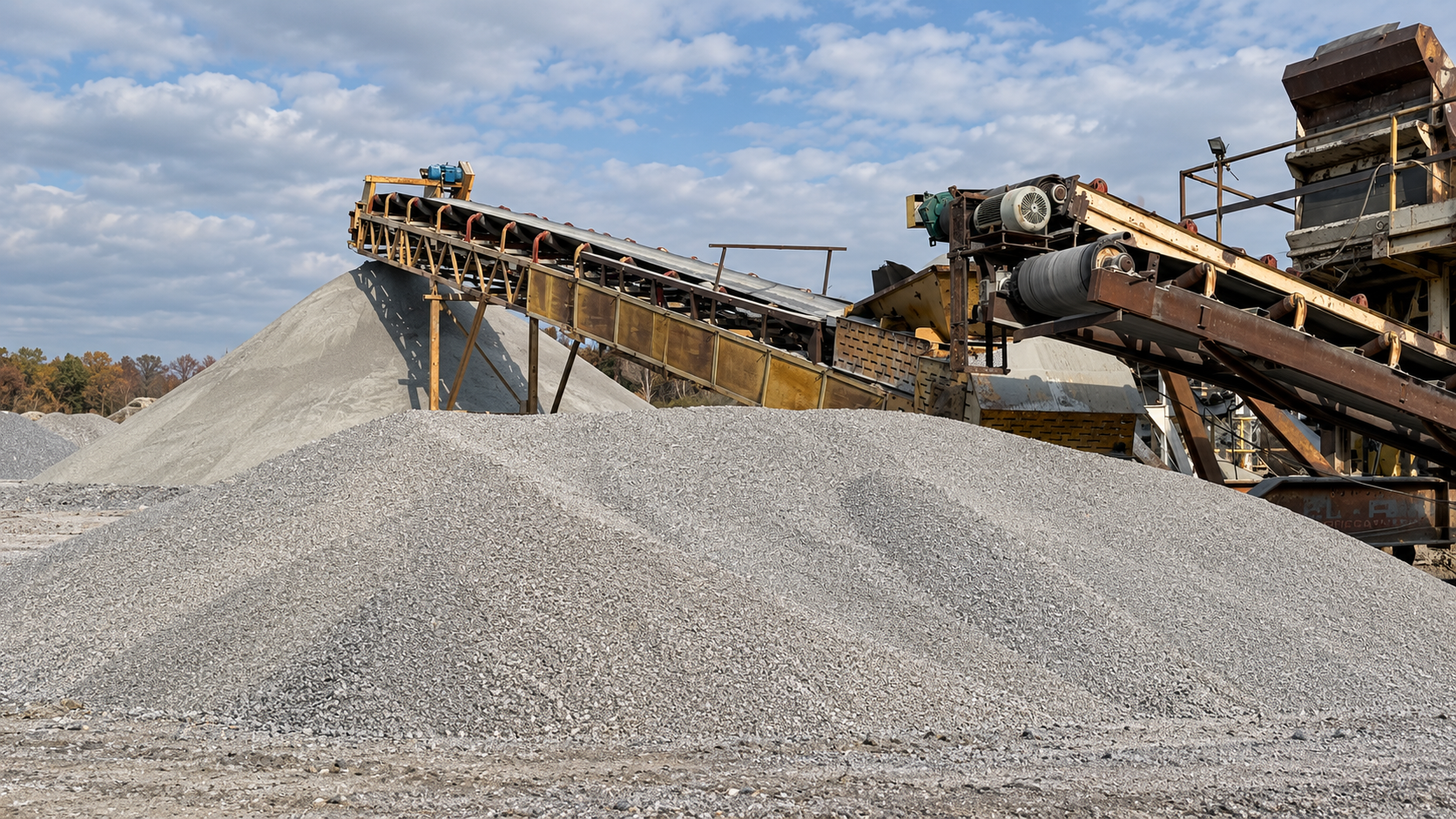
Primary crushers and severe loading zones
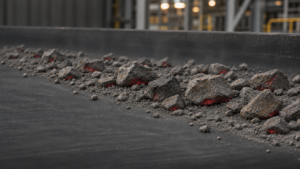
Two transverse steelcord breaker layers provide increased protection where large or sharp material creates demanding impact and penetration exposure. Material size, shape, drop height, loading direction and impact-bed support must be reviewed.
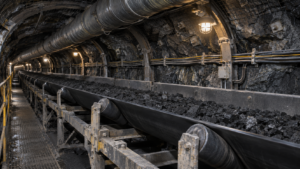
Mainline conveyors
Enduracord supports mainline duties where belt loss or extended repair downtime carries high operational consequences. Select the M- or E-series according to elongation, pulley geometry, conveyor length and route.
Overland conveyors
Enduracord-E combines the lower-elongation E-cord construction with one transverse breaker in each cover. It is a strong starting point where longer centre distances coincide with impact or rip exposure.
Slope belts
The two-breaker construction provides added transverse reinforcement for demanding inclined systems. Drive and braking conditions, take-up, belt tension, material rollback risk and splice design remain critical selection variables.
Ship loaders and bulk terminals
Enduracord can support transfer and loading systems where variable material flow and foreign-object exposure increase puncture or rip risk. Conveyor mobility, pulley arrangement, weather, cover compound and inspection strategy must be reviewed before selecting this belt.